The Seventy Rupee Breakthrough: How Prepaying Small Amounts Cut Three Years Off My Loan
How extra payments change a payoff date rather than just the interest figure, what an avalanche plan does, and how to read loan prepayment savings honestly.
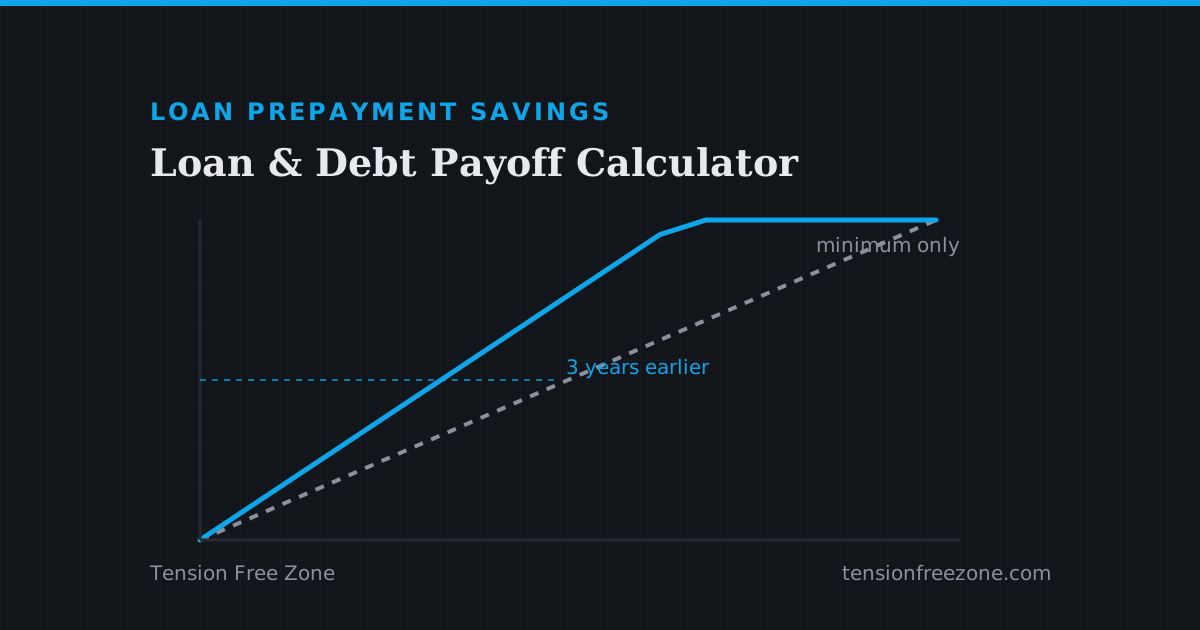
The minimum payment clears a little of the balance and a lot of interest, which is why a loan can feel stationary for years. loan prepayment savings is a useless phrase and a very useful number, because the question that changes behaviour is not how much interest could be saved in theory, it is what a specific extra amount does to the date the balance reaches zero.
The figure that motivates is the years removed. The interest saved is the bonus.
Why paying early is worth more than paying more
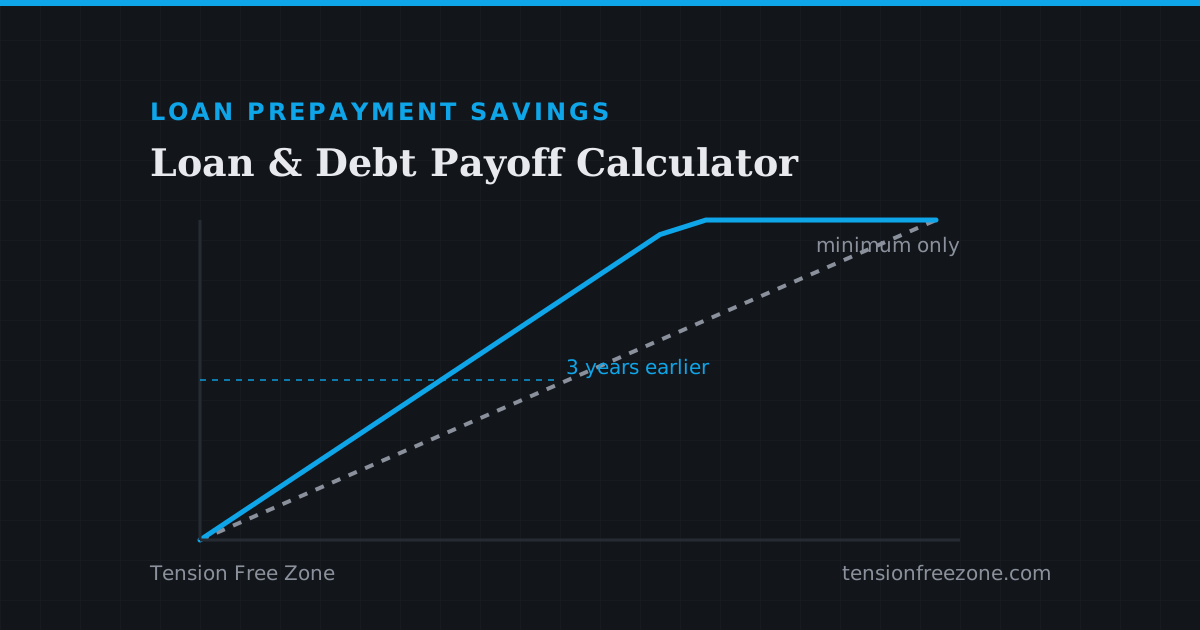
Interest is charged on the outstanding balance for the month it is outstanding. Money paid today removes interest from every month that follows it, so the same amount is worth more the earlier it arrives. That is the entire argument for prepayment, and it is why a small recurring extra beats a large lump sum later.
It also explains why the reduction is not proportional to the extra amount. Paying 10 percent more each month can take far more than 10 percent off the tenure, because the payments accelerate as the balance shrinks.
The three levers a planner exposes
An extra amount every month, a step up in the payment at a chosen point, and a one time lump sum are the three ways most people actually manage this, and their effects differ far more than their sizes suggest.
A monthly extra changes the curve for the whole term. A step up is easier to commit to because it is tied to a raise or a new academic year. A lump sum removes interest fastest when it lands early, which is worth remembering if a bonus or a scholarship is coming.
- Monthly extra: the most effective per rupee, and the easiest to keep doing from a salary that has a surplus.
- Annual step up: a plan that survives a change in income, since it is set once a year rather than every month.
- Lump sum: best used early, because interest avoided later is worth less than interest avoided now.
What the planner does with more than one loan
With several balances the order matters. The planner sorts by interest cost, so the most expensive loan is attacked first, which is the approach that minimises total interest. There is no mode that clears the smallest balance first, and that is a deliberate choice rather than a gap: paying off a small cheap loan while an expensive one runs is a feeling of progress in exchange for money.
That said, the ordering is yours to change by entering the loans differently, and the projection updates to the plan on screen.
Reading the schedule honestly
A payoff projection is arithmetic on the rate you typed in, and nothing more. If the loan is on a floating rate, a change of half a percent changes the answer, so run it twice with a cautious rate and the rate you are being charged today.
The other assumption worth naming is that the extra amount stays affordable. Prepaying with money you may need next month is borrowing at the worst possible moment, against an emergency fund that has not been built yet.